Singapore is a global hub for innovation, business, and culture. With its high quality of life, efficient infrastructure, and vibrant multicultural society, it’s no wonder that many people dream of relocating there.
But what if you don’t have a job offer lined up or a large budget to make the move? Fortunately, it’s still possible, with careful planning and a strategic approach. Here’s a step-by-step guide on how to relocate to Singapore without a job offer or a huge budget.
1. Understand the Basics of Moving to Singapore
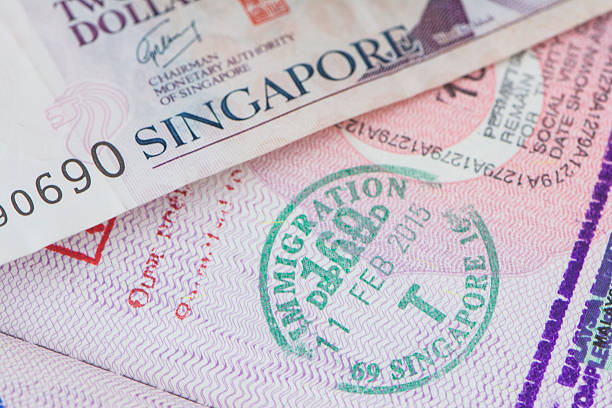
Before diving into the logistics, it’s essential to understand Singapore’s immigration landscape. Most foreign nationals require a visa to live and work in the country, but there are alternative routes to enter Singapore even if you don’t yet have employment.
Key Visa Options:
Visit Pass (Tourist Visa): Allows you to stay short-term (typically 30-90 days) while exploring job or study opportunities.
Work Holiday Pass: Available to young graduates from select countries; allows short-term work and travel in Singapore.
EntryPass: If you’re planning to start a business, this visa is tailored for foreign entrepreneurs.
Student Pass or Visa: Enroll in a recognized course or program and stay legally while you study and look for opportunities.
2. Budgeting Smart: How to Cut Costs Before and After Arrival
Relocating without a big budget means every dollar counts. Here’s how to save:
Before the Move:
- Research Low-Cost Airlines: Look for off-peak deals to fly into Singapore cheaply.
- Minimize Luggage: Avoid excess baggage fees by traveling light. Essentials only.
- Temporary Housing Options: Book a hostel, budget hotel, or shared Airbnb for the first few weeks.
After Arrival:
Affordable Accommodation: Consider renting a room in shared HDB flats (public housing), which are far cheaper than private condos.
Public Transport: Singapore’s MRT and bus systems are fast, clean, and inexpensive.
Eat Local: Hawker centers offer delicious meals for as little as SGD 3-5.
3. Network Your Way to Opportunities
Landing a job in Singapore without a job offer beforehand is possible—if you’re proactive.
Ways to Build a Local Network:
Attend Networking Events: Check out events via Meetup, Eventbrite, or Facebook groups in industries of your interest.
Co-working Spaces: These are hubs for startups and freelancers; you might find gigs or job leads here.
Connect on LinkedIn: Optimize your profile, list “open to work,” and actively message professionals in your industry.
Bonus Tip:
Volunteering or interning can also open doors, even if it’s unpaid at first. Many companies eventually hire interns who prove their worth.
4. Upskill While You Search
If you have time while job-hunting, consider boosting your skills with courses that are in high demand in Singapore.
In-Demand Skills:
- Tech & IT (software development, cybersecurity)
- Digital Marketing
- Finance & Accounting
- Project Management
- UX/UI Design
Platforms like Coursera, Udemy, or even local institutions (like Ngee Ann Polytechnic’s online courses) offer affordable learning opportunities.
5. Tap into Freelancing and Remote Work
Just because you’re in Singapore doesn’t mean your income has to come from Singapore. Freelancing or remote work can be a lifesaver.
Sites to Explore:
- Upwork
- Fiverr
- Freelancer.com
- Remote OK
This income can help support your stay while you search for a permanent role or legal work visa.
6. Apply Strategically for Jobs in Singapore
Without a job offer or Employment Pass (EP), your goal is to be on the radar of employers who are open to hiring foreigners.
Strategies:
- Apply to multinational companies with existing Employment Pass frameworks.
- Focus on industries with talent shortages (tech, healthcare, logistics).
- Customize every resume and cover letter to the role and employer.
Consider reaching out to recruitment agencies in Singapore like Michael Page, Hays, or Robert Walters.
7. Explore Long-Term Visa Alternatives
If your job search takes longer than expected, consider visa options that allow longer stays:
Student Pass: Enroll in a short course to stay longer and improve your qualifications.
Dependent Pass/Long-Term Visit Pass: If you have a family connection in Singapore.
EntrePass: Start a small business (even a sole proprietorship or digital agency) to qualify.
Always verify visa rules on the Immigration & Checkpoints Authority (ICA) and Ministry of Manpower (MOM) websites, as they are subject to change.
8. Stay Legal and Informed
Avoid overstaying your visa. It can lead to fines, deportation, or future travel bans. Always track your visa validity and seek extensions if needed.
Regularly check official Singapore immigration sites for the latest rules, especially if you’re staying longer without a job.
In conclusion
Relocating to Singapore without a job offer or large savings may seem challenging, but it’s entirely achievable with the right strategy. From budget planning and freelancing to skill-building and networking, you have multiple paths to establish a foothold in the Lion City.