If you’ve ever felt called to care for others, really care, not just perform a task list, then you might be surprised at how deeply Germany values that calling.
The demand for caregivers there is soaring, and it’s not slowing down anytime soon. What’s even more exciting?
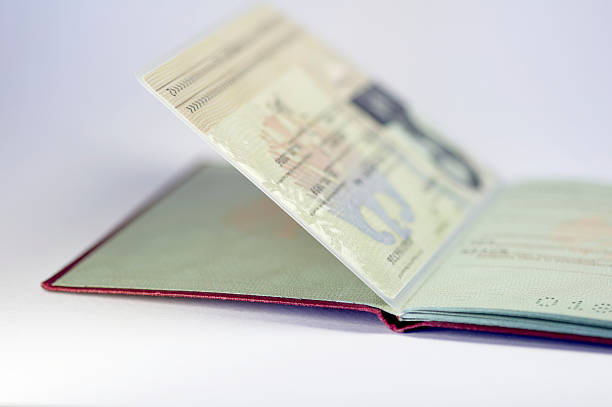
Many caregiving jobs in Germany now come with visa sponsorship, opening doors for skilled professionals from around the world who dream of working in Europe.
But what does that really mean for you? Let’s take a closer look.
Why Germany Needs Caregivers, And Why That’s Good News for You
Germany’s population is aging fast. Roughly one in five people is now over 65, and many need daily support, whether it’s in hospitals, nursing homes, or private households. The government and healthcare institutions have been actively seeking international caregivers to fill this growing gap.
And here’s the best part: Germany isn’t just hiring; it’s supporting newcomers. Employers frequently offer visa sponsorship, which means they’ll help you secure your work visa, assist with paperwork, and sometimes even arrange accommodation or relocation support.
So, instead of navigating the bureaucracy alone, you’re stepping into a system designed to welcome you.
What is The Meaning of Visa Sponsorship in Germany
A lot of people misunderstand the term. Visa sponsorship doesn’t mean the job is automatically guaranteed or that all expenses are covered. Instead, it means your employer takes responsibility for helping you legally work and live in Germany.
Here’s what it often includes:
- Help with the work visa application under Germany’s Skilled Workers Immigration Act.
- Guidance through credential recognition (especially for nursing or healthcare-related roles).
- Assistance with relocation, like housing and paperwork.
In some cases, language training or integration programs.
Many caregivers come through bilateral programs such as the Triple Win Project (run by the German Federal Employment Agency and GIZ), which recruits qualified nurses from countries like the Philippines, India, and Tunisia.
It’s not just a job, it’s a structured path to a stable career in Europe.
Who Can Apply for Caregiver Jobs in Germany?
You don’t have to be a registered nurse to start. There are multiple levels of caregiving roles, and requirements differ:
- Professional Nurses (Pflegefachkraft) – Typically need formal training and German language skills at level B1 or B2.
- Assistant Caregivers (Pflegehelfer/in) – Can begin with basic training or experience; B1 German proficiency is often enough.
- Elderly Care Assistants (Altenpflegehelfer/in) – Usually need short-term vocational training or proof of caregiving experience.
If you already have a nursing diploma or healthcare background from another country, you’re one step ahead. You’ll just need to go through a qualification recognition process (Anerkennung) to make it official in Germany.
Language Skills: The Bridge You Can’t Skip
Let’s be honest, German isn’t the easiest language to learn. But it’s worth every bit of effort. Most caregiving positions require at least B1-level German, mainly because communication is everything in caregiving. You’re not just managing medication schedules; you’re talking, comforting, listening.
Many employers even cover language courses or sponsor you while you study. Some candidates complete language training in their home country before applying, which can make the process smoother.
And here’s a small but true secret: once you start working in Germany, your language skills improve fast.
What It’s Like Working as a Caregiver in Germany
A typical workday might start early, checking on patients or residents, helping with meals, medication, or physical therapy. The work is demanding physically and emotionally but deeply rewarding. The people you care for often become like family.
Many caregivers describe the job as “exhausting but meaningful.” And honestly, that’s the beauty of it. You’re making a difference every single day, not behind a desk but in someone’s life.
Pay typically ranges between €2,500 to €3,800 per month for qualified professionals, depending on experience, region, and employer benefits. With visa sponsorship, your costs to relocate are reduced, making it an even more attractive offer.
How to Find Caregiver Jobs with Visa Sponsorship
Here’s where to start your search:
- Official job portals: Make it in Germany lists verified openings for foreign professionals.
- Recruitment agencies specializing in healthcare placements (check that they’re certified and transparent about fees).
- Hospital and nursing home websites, which often post open positions with sponsorship details.
- Government programs like the Triple Win initiative or EURES for EU applicants.
Pro tip: When you apply, highlight your compassion, adaptability, and willingness to learn the language, these matter as much as formal qualifications.
Why Caregiving in Germany Is More Than Just a Job
There’s something deeply human about this path. You’re not just moving countries; you’re joining a culture that respects care as a profession, not just a service. Germany’s healthcare system prioritizes dignity for patients and caregivers alike.
And once you gain experience and your German improves, you can move into higher roles, senior nurse, supervisor, or even management. Some caregivers later bring their families through family reunification programs and build long-term lives there.
You know what? That’s the quiet power of this opportunity. It’s not only about earning better pay, it’s about building a future rooted in empathy, skill, and respect.
Final Thoughts
If you’re someone with a caring heart, patience, and the courage to start fresh abroad, caregiver jobs with visa sponsorship in Germany might just be the door you’ve been waiting for.